Practical Visor Advice
Choose, Wear and Care for the Right Visor
Explore visor types, materials, fit and everyday care, with practical tips for South Africa’s sunny conditions.

Find a Visor for Your Activity
Sports Visors for Running and Training
Golf Visors for Time on the Course
Sun Visors for Everyday Shade
Clear Visors for Face Coverage
Features That Make a Difference
Brim Coverage and Sun Protection
Compare brim width and shape for useful shade over your eyes and face. A visor leaves your scalp exposed, so add sunscreen or other head coverage when needed.
Fit and Adjustability
Look for adjustable straps or flexible bands that stay secure without squeezing, especially during sport or windy days.
Ventilation and Materials
Open-top designs release heat, while lightweight, quick-drying fabrics can feel more comfortable in warm conditions.
Sweatbands and Easy Care
An absorbent inner band helps manage perspiration. Check the care label to keep fabrics fresh and preserve the visor’s shape.
Choose a Visor Material That Suits Your Day

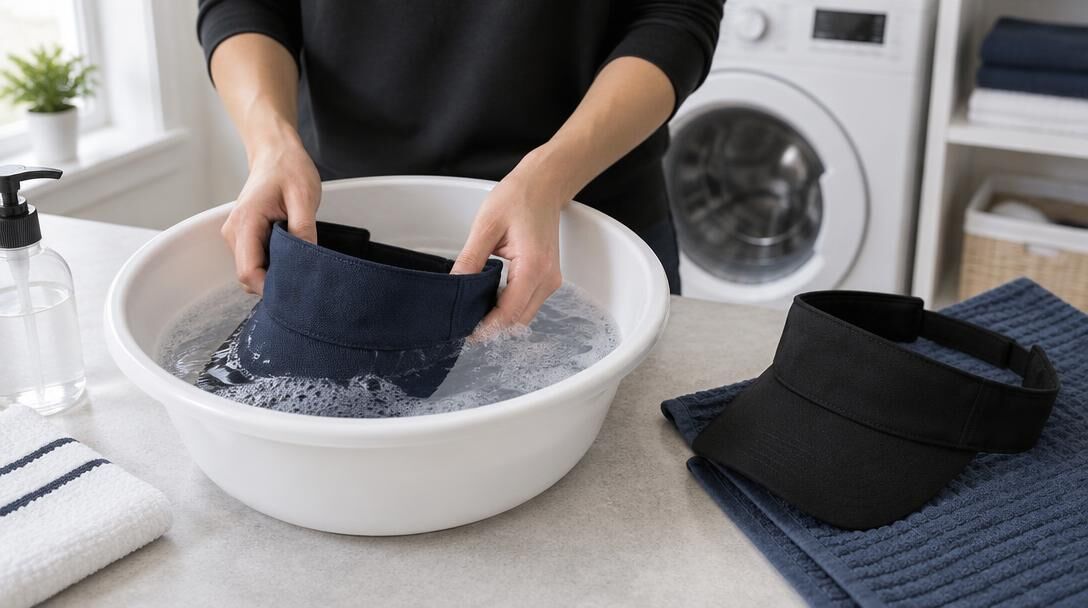
For hot South African days, lightweight polyester or nylon offers quick-drying comfort and stands up well to regular use; mesh panels add airflow when you are walking, running or playing sport. Cotton feels soft against the skin and suits casual wear, but it absorbs sweat and takes longer to dry. Look for a smooth inner band to reduce rubbing, and check the care label before buying: most fabric visors benefit from gentle washing and air-drying, while structured brims should not be twisted or machine-dried.
Find a Secure, Comfortable Fit
Step 1
Measure Your Head
Measure around your head where the visor band will sit, just above your eyebrows and ears. Compare the result with the seller’s size guide rather than relying on a one-size label.
Step 2
Adjust and Check the Band
Fasten the strap until the band sits evenly without pinching. You should be able to move your eyebrows comfortably, with the brim shading your face without blocking your view.
Step 3
Test It in Motion
Walk, jog or mimic your intended activity. The visor should stay put without sliding or creating pressure points; if it shifts or rubs, try a different size or closure style.
Compare Visors for Sport and Everyday Wear
Performance Sports Visor
Typical use: Running, golf and other active days
Main advantage: Lightweight, quick-drying fabric
Ventilation: Often includes breathable mesh
Fit: Adjustable strap helps limit movement
Limitation: Open crown offers no scalp coverage
Buying tip: Check sweatband feel and brim stability
Casual Cotton Visor
Typical use: Errands, travel and relaxed outings
Main advantage: Soft feel and versatile styling
Ventilation: Open top allows heat to escape
Fit: Look for a comfortable, adjustable closure
Limitation: Holds moisture and dries more slowly
Buying tip: Check wash instructions and brim shape
Keep Your Visor in Good Shape
Check the care label before washing
Brush off loose dust and sand
Spot-clean stains with a damp cloth
Use mild soap on washable fabrics
Test cleaners on a hidden area first
Avoid soaking stiffened brims
Wipe plastic peaks with a soft cloth
Rinse away soap without saturating the band
Blot excess moisture with a towel
Reshape the brim while it is damp
Air-dry away from direct sunlight
Keep visors out of tumble dryers
Store flat or on a suitable hook
Avoid crushing the brim in a bag
Let sweatbands dry before storage
Check stitching and closures regularly
Remove salt residue after coastal outings
Replace worn elastic for a secure fit
Frequently Asked Questions About Visors
Get practical answers on choosing, wearing and caring for visors in South Africa.
How do I choose a visor for South African summer weather?
Does a visor provide enough sun protection on its own?
How should a visor fit?
Which visor materials work well for active use?
Can I wash a visor in a washing machine?
What should I consider when buying a visor for coastal trips?
Find a Visor That Fits Your Plans
Browse the Visors directory to discover South African retailers and compare visor styles, materials and fit options before you buy.